The ability to connect with others, communicate effectively, and navigate social situations with confidence ranks among the most critical competencies for success and happiness throughout life. While academic skills certainly matter, research consistently demonstrates that social-emotional capabilities often predict life outcomes more reliably than cognitive abilities alone.
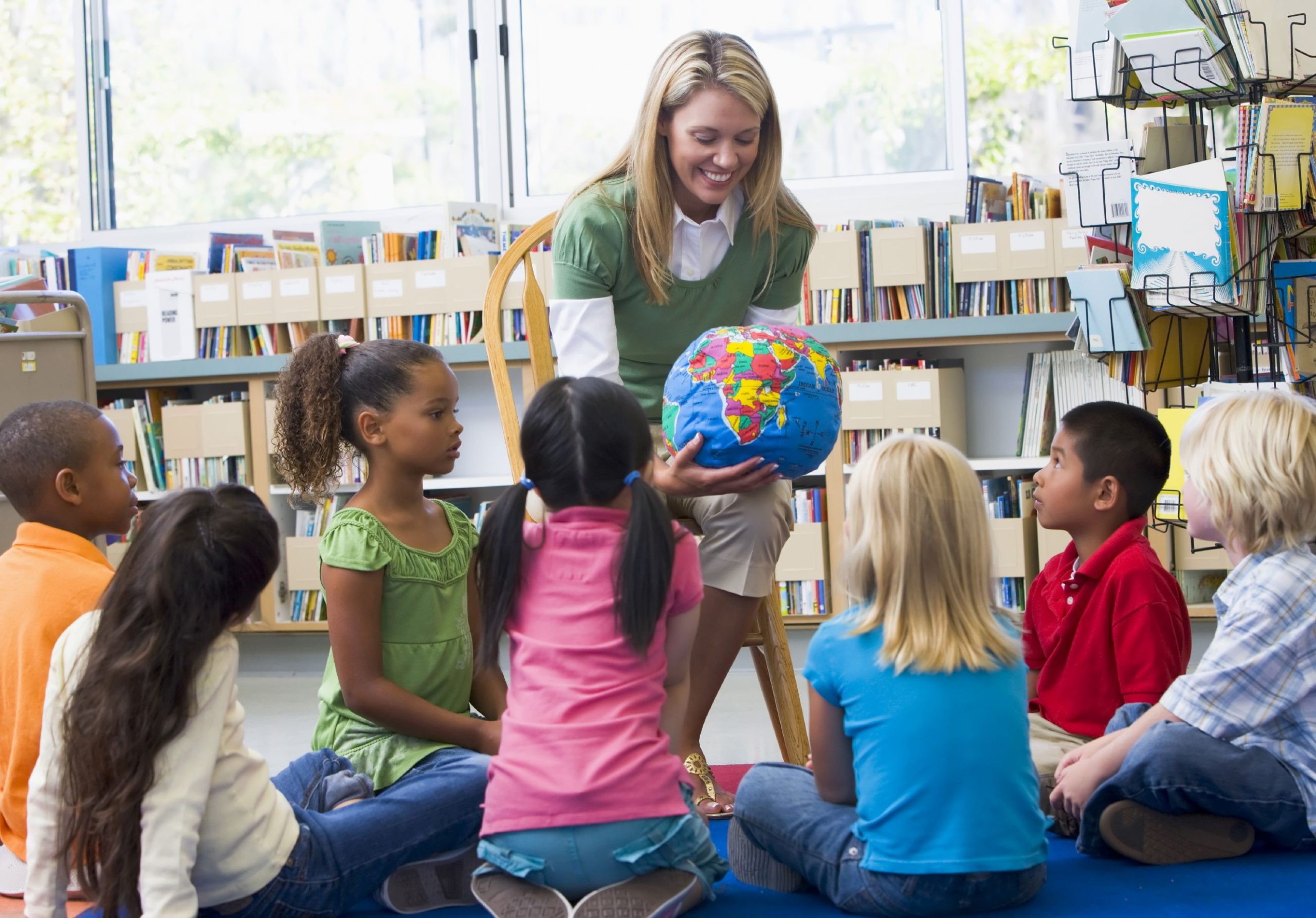
Quality childcare environments provide irreplaceable opportunities for children to develop these essential daycare social skills in supportive settings where caring adults guide their interactions and help them learn from both successes and challenges. For many children, daycare represents their first sustained experience in a community beyond their family, making it a formative environment that shapes how they view themselves, relate to others, and approach new social situations throughout childhood and beyond. Understanding how quality programs cultivate social competence and self-assurance helps parents recognize the profound developmental value that extends far beyond the practical convenience of childcare.
The Importance of Social Skills in Early Childhood
Social skills form the foundation for virtually every aspect of children's lives—their ability to make friends, succeed in school, resolve conflicts, work collaboratively, and eventually thrive in careers and relationships. These competencies don't emerge automatically with age; they develop through countless interactions, observations, practice opportunities, and guidance from skilled adults who help children understand social expectations and navigate the complexities of human relationships.
The Critical Window
During the early years, brains are actively forming neural connections related to empathy, emotional regulation, perspective-taking, and communication. Experiences during this window significantly influence how children view social interaction for the rest of their lives.
Children who develop strong social skills early demonstrate better academic performance, experience fewer behavioral problems, form more positive relationships with teachers and peers, and show greater resilience when facing difficulties. Conversely, children who struggle socially often experience cascading challenges—difficulty making friends leads to isolation, which limits opportunities to practice social skills. Quality childcare programs interrupt this pattern by providing structured opportunities for social learning.
Structured Group Activities and Teamwork
Quality daycare programs intentionally design group activities that require cooperation, communication, and collective effort to succeed. Circle time activities where children take turns sharing ideas, or playing games that require following group rules, all teach children to function as part of a community rather than as isolated individuals.
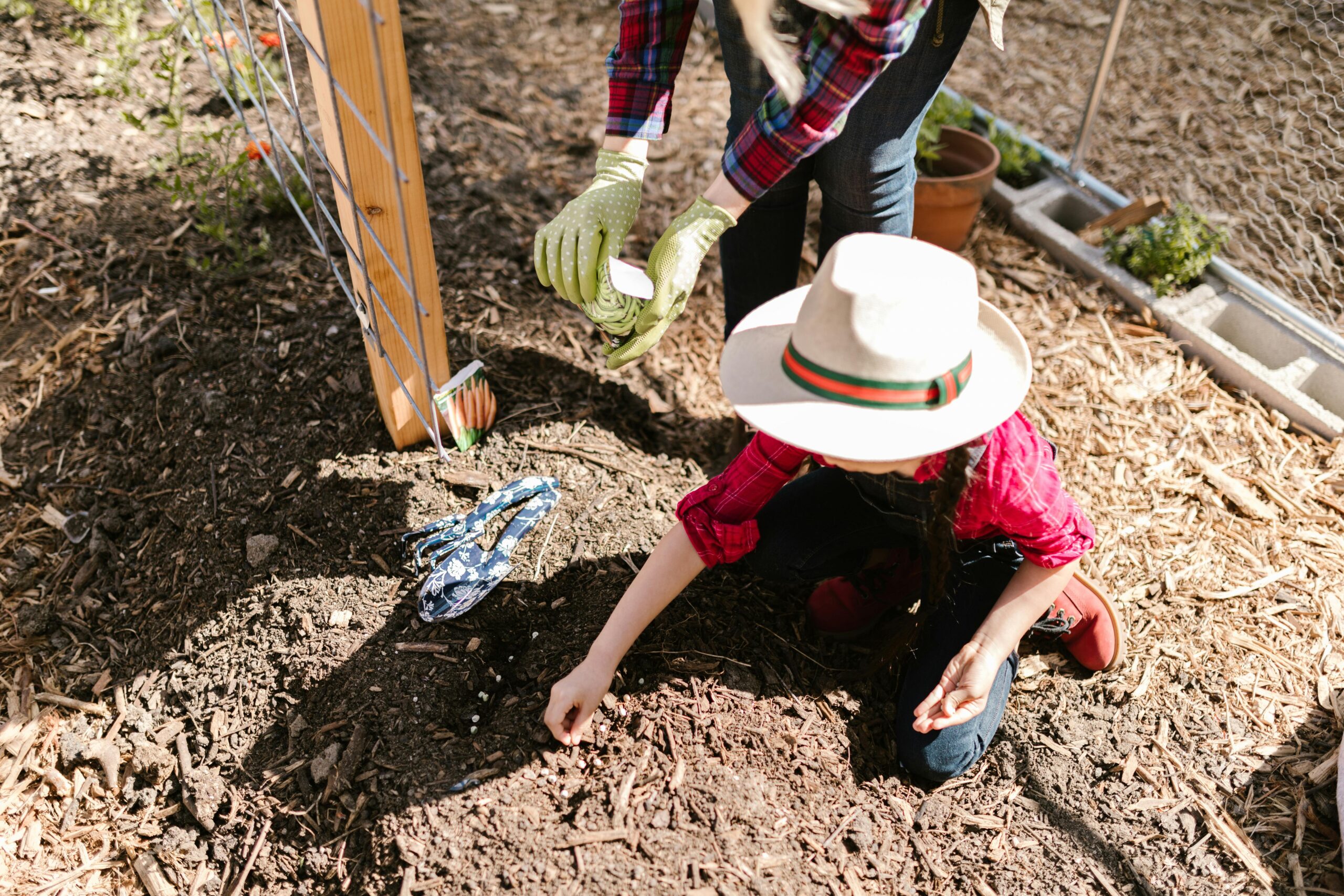
Collaborative projects offer particularly rich opportunities for developing teamwork skills. Building a block structure together requires children to share materials, negotiate roles, communicate plans, and coordinate actions. During these activities, children learn essential social competencies organically. They discover that working together often produces better results than working alone.
Skilled educators facilitate these group experiences by observing carefully, stepping in when necessary to prevent or resolve conflicts, and helping children develop the language and strategies they need for successful collaboration. Teachers might model appropriate phrases—"Can I have a turn when you're finished?"—that give children scripts for common social situations.
Role-Playing and Communication Exercises
Dramatic play represents one of the most powerful vehicles for social learning. When children engage in pretend scenarios, they practice perspective-taking by inhabiting roles different from their own experience. Playing house requires understanding family dynamics, while pretending to be a doctor helps children develop empathy for others' distress.
Building Confidence Through Achievements
Confidence emerges from accumulated experiences of competence—the feeling of "I can do this" that comes from successfully completing challenging tasks. Quality daycare programs create numerous opportunities for children to experience achievement across diverse domains.
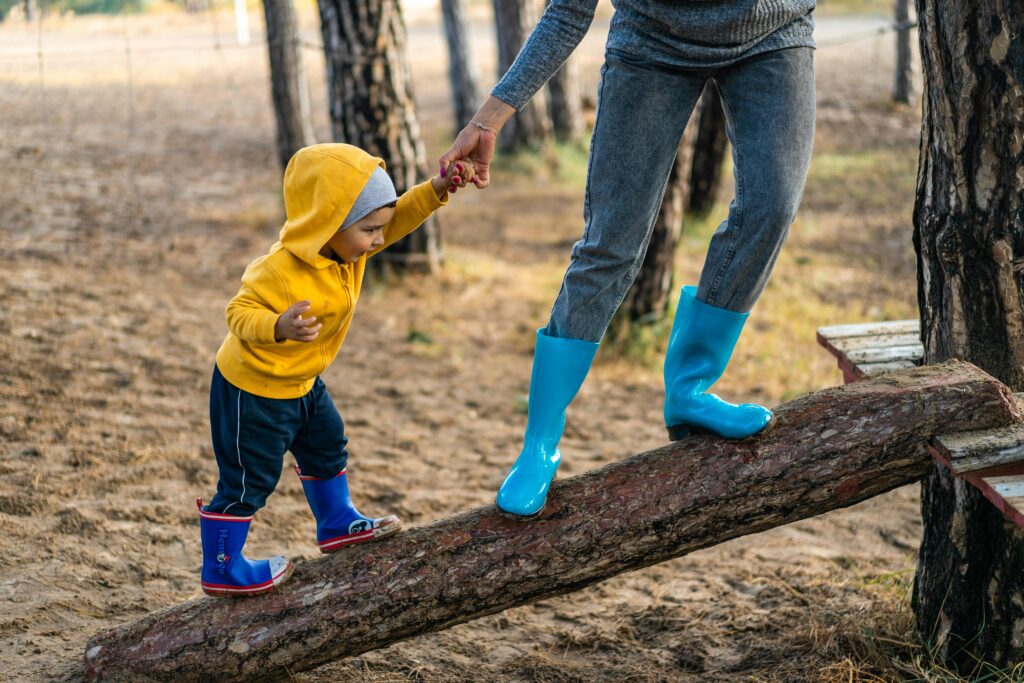
Mastery of self-care skills like putting on shoes, zipping coats, or washing hands independently builds confidence in personal capability. Social achievements particularly boost confidence related to relationships. Successfully making a new friend or receiving recognition for kindness reinforces that the child is a valued community member capable of positive social impact.
Educators support confidence development by offering appropriate challenges—tasks difficult enough to require effort but achievable with reasonable attempt. They provide specific, genuine praise that highlights efforts and strategies, teaching children that persistence matters more than innate ability. Creating environments where mistakes are normalized and reframed as learning opportunities also builds resilience.
Parent Involvement and Reinforcement at Home
While daycare provides crucial social learning, parents play an irreplaceable role. Quality programs view parents as essential partners, sharing information about social milestones and strategies that work in the classroom. This consistency accelerates social development.
Parents can reinforce daycare social learning through everyday interactions. Encouraging children to express feelings verbally, modeling polite language, and acknowledging social successes at home all strengthen developing competencies. Arranging playdates with daycare friends extends social practice beyond program hours while strengthening relationships.
How Oaks & Lillies Supports Social Development
Oaks & Lillies has designed every aspect of its program with social-emotional development as a primary objective. The classroom environments encourage interaction through carefully arranged learning centers that naturally bring children together around shared interests.
Teachers at Oaks & Lillies receive specialized training in coaching children through the complex work of forming relationships and managing emotions. They create classroom cultures where kindness is celebrated and differences are respected. The program's mixed-age grouping provides unique opportunities for younger children to learn from older peers, while older children develop leadership and empathy.
Lifelong Benefits of Early Social Learning
Research demonstrates that social-emotional competencies in preschool predict academic achievement, career success, and mental wellbeing through adulthood. By choosing programs that prioritize these skills, you are investing in your child's lifelong success.
Visit Our Learning Center
629 Poplar St, Whiteland, IN 46184
Conveniently located to serve Greenwood and surrounding areas.